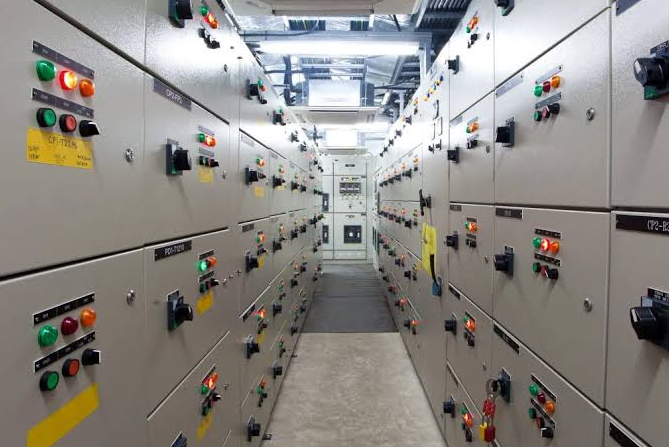
In today’s fast paced industrial landscape, uninterrupted power and system reliability are essential for maintaining productivity and operational efficiency. One of the most important components ensuring this reliability is metal enclosed switchgear, which plays a crucial role in controlling, protecting, and isolating electrical systems in demanding environments. As industries evolve and adopt advanced technologies, modern electrical equipment has become the backbone of continuous industrial operations, reducing downtime, improving safety, and supporting seamless energy distribution across complex facilities.
Industrial facilities such as manufacturing plants, data centers, refineries, and processing units depend heavily on stable electrical infrastructure. Even a minor disruption in power can lead to production delays, financial losses, and equipment damage. Modern electrical systems are designed to prevent these issues by integrating advanced protection mechanisms, automation, and monitoring capabilities that ensure consistent performance under varying load conditions.
Importance of Continuous Industrial Operations
Continuous industrial operations are critical for maintaining supply chain efficiency and meeting production demands. Industries operate on tight schedules, and any interruption can have a ripple effect across multiple processes. Electrical equipment plays a central role in ensuring that machinery, control systems, and support infrastructure remain active without unexpected interruptions.
Modern industries rely on electrical stability for several reasons. First, automated production lines require uninterrupted power to maintain synchronization between machines. Second, sensitive equipment such as control panels and digital systems must be protected from voltage fluctuations. Third, operational continuity ensures cost efficiency by minimizing downtime and maintenance delays.
Reliable electrical infrastructure also enhances workplace safety. Faulty electrical systems can lead to hazards such as short circuits, overloads, and equipment failures. By using advanced electrical equipment, industries significantly reduce these risks and maintain a safer working environment for employees.
See also: The Role of Storytelling in Business Branding
Core Electrical Equipment in Industrial Systems
Modern industrial power systems consist of several critical components that work together to ensure stability and efficiency. These include switchgear, transformers, uninterrupted power supply systems, circuit breakers, and automated control systems.
Switchgear is responsible for controlling and isolating electrical circuits, ensuring that faults do not spread throughout the system. Transformers help regulate voltage levels to ensure that equipment receives consistent power. Uninterrupted power supply systems provide backup power during outages, preventing sudden shutdowns. Circuit breakers protect systems from overloads and short circuits by automatically disconnecting faulty circuits.
Automation systems and digital controllers further enhance operational efficiency by monitoring performance in real time. These systems can detect irregularities and trigger corrective actions before issues escalate into major failures.
Together, these components form a reliable electrical ecosystem that supports continuous industrial operations and minimizes downtime.
Role of Metal Enclosed Switchgear in Industrial Reliability
Metal enclosed switchgear is a critical component in modern industrial power distribution systems. It is designed to house electrical components such as circuit breakers, busbars, and control devices within a protective metal enclosure. This structure ensures safety, durability, and operational stability in high demand environments.
One of the primary advantages of this equipment is its ability to isolate faults quickly. When an electrical fault occurs, the system can automatically disconnect the affected section, preventing damage from spreading to other parts of the network. This isolation capability is essential for maintaining continuous operations in large industrial facilities.
Metal enclosed systems also provide enhanced protection against environmental factors such as dust, moisture, and temperature variations. This makes them suitable for use in harsh industrial conditions where exposure to external elements can compromise electrical performance.
Key benefits include:
- Improved operational safety through secure insulation and containment
- Faster fault detection and isolation for reduced downtime
- Enhanced durability in challenging industrial environments
- Reliable power distribution across multiple systems
- Reduced maintenance requirements due to robust construction
These features make metal enclosed switchgear a preferred choice in industries where reliability and safety are top priorities.
Automation and Real Time Monitoring Systems
Modern electrical equipment is increasingly integrated with automation and real time monitoring technologies. These systems allow industries to track performance metrics such as voltage levels, current flow, temperature, and load distribution.
Automation plays a significant role in improving operational efficiency. It reduces the need for manual intervention and ensures that electrical systems respond quickly to changes in demand. For example, automated load balancing helps distribute power evenly across circuits, preventing overloads and improving system stability.
Real time monitoring systems provide valuable insights into equipment performance. Operators can identify potential issues before they escalate, allowing for preventive actions that reduce downtime. These systems also generate detailed reports that help in analyzing energy usage patterns and optimizing performance.
By combining automation with advanced electrical equipment, industries can achieve higher levels of precision, reliability, and efficiency in their operations.
Power Quality and System Stability
Power quality is a critical factor in maintaining continuous industrial operations. Poor power quality can result in voltage fluctuations, harmonic distortions, and frequency variations, all of which can damage sensitive equipment and disrupt production processes.
Modern electrical systems are designed to maintain stable power quality by regulating voltage levels and filtering electrical noise. Devices such as voltage regulators, harmonic filters, and power conditioners help ensure that electrical supply remains consistent and clean.
Stable power systems also improve the lifespan of industrial equipment. Machines operating under stable electrical conditions experience less wear and tear, reducing the frequency of breakdowns and maintenance requirements.
Industries that prioritize power quality benefit from improved operational efficiency, reduced energy losses, and enhanced equipment reliability.
Predictive Maintenance and Smart Technologies
Predictive maintenance has become an essential part of modern industrial electrical systems. Instead of relying on scheduled or reactive maintenance, predictive systems use data analytics and sensors to identify potential issues before they occur.
Sensors embedded in electrical equipment collect data related to temperature, vibration, load, and insulation conditions. This data is analyzed using intelligent software that detects patterns and predicts possible failures.
The advantages of predictive maintenance include reduced downtime, lower maintenance costs, and improved equipment lifespan. It also allows maintenance teams to focus on specific issues rather than conducting routine inspections that may not always be necessary.
Smart technologies integrated into electrical systems also enable remote monitoring. Engineers can access system data from centralized control rooms or remote locations, making it easier to manage large industrial facilities efficiently.
Safety and Compliance in Electrical Systems
Safety is a fundamental requirement in industrial electrical operations. Modern equipment is designed with multiple layers of protection to ensure safe operation under all conditions.
Electrical systems are equipped with protective devices such as circuit breakers, relays, and grounding mechanisms that prevent accidents caused by overloads or faults. These systems also comply with international safety standards, ensuring consistent performance and risk reduction.
In addition to equipment safety, operational protocols play a key role in maintaining secure environments. Regular inspections, system testing, and adherence to safety guidelines help prevent accidents and ensure long term reliability.
Advanced electrical equipment also includes features such as arc fault protection and thermal monitoring, which further enhance safety in high voltage environments.
Energy Efficiency and Sustainable Operations
Energy efficiency has become a major focus in modern industrial operations. Efficient electrical systems not only reduce operational costs but also contribute to environmental sustainability.
Modern equipment is designed to minimize energy losses during transmission and distribution. High efficiency transformers, low loss conductors, and optimized circuit designs help reduce wasted energy.
Automation systems also contribute to energy efficiency by adjusting power consumption based on demand. For example, non essential systems can be powered down during low activity periods, reducing overall energy usage.
Industries are increasingly adopting energy efficient electrical solutions to meet sustainability goals and comply with environmental regulations. These improvements also enhance long term operational stability by reducing strain on electrical infrastructure.
Integration of Digital Technologies in Electrical Infrastructure
Digital transformation has significantly impacted industrial electrical systems. The integration of digital technologies has enabled smarter, more responsive, and more efficient power management solutions.
Digital control systems allow for precise monitoring and adjustment of electrical parameters. These systems can automatically respond to changes in load demand, ensuring stable operation even during peak usage periods.
Cloud based monitoring platforms further enhance visibility by centralizing data from multiple locations. This allows industrial operators to manage complex systems with greater ease and accuracy.
Digital integration also supports advanced analytics, helping industries optimize performance and plan infrastructure upgrades more effectively.
Conclusion
Modern electrical equipment plays a vital role in supporting continuous industrial operations by ensuring reliability, safety, and efficiency across all levels of power distribution. From advanced switchgear systems to intelligent monitoring technologies, each component contributes to maintaining uninterrupted industrial productivity.
The evolution of electrical infrastructure has enabled industries to operate with greater stability, reduced downtime, and improved energy management. As technology continues to advance, industrial electrical systems will become even more intelligent and resilient, further strengthening the foundation of continuous operations across global industries.
