Introduction
Industrial facilities are constantly searching for energy efficient cooling solutions that reduce operational costs while supporting sustainability goals. Traditional cooling systems often rely heavily on electricity, which can contribute to higher energy consumption and increased operating expenses. As industries focus on optimizing energy usage and utilizing alternative energy sources, adsorption chillers have emerged as a highly effective cooling technology.
Adsorption chillers use thermal energy rather than large amounts of electrical energy to generate cooling. This unique operating principle makes them particularly attractive for facilities that have access to waste heat, solar energy, or other low grade heat sources. As a result, industries across multiple sectors are increasingly exploring adsorption cooling technology as part of their energy management strategies.
Leading Adsorption Chiller Manufacturers continue to develop advanced systems that provide reliable cooling performance while helping organizations improve energy efficiency and reduce environmental impact.
What Is an Adsorption Chiller?
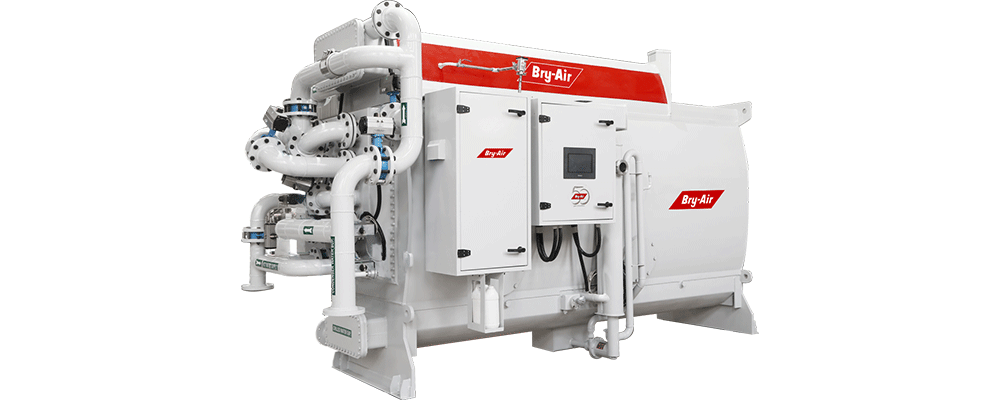
An adsorption chiller is a thermally driven cooling system that uses heat energy to produce chilled water for air conditioning and industrial cooling applications.
Unlike conventional vapor compression systems that depend primarily on electrically driven compressors, adsorption chillers utilize an adsorption process involving specialized adsorbent materials and refrigerants. This process enables cooling generation using available heat sources that might otherwise go unused.
The technology has gained significant attention because of its ability to convert low temperature heat into useful cooling capacity.
How the Adsorption Process Works
The adsorption cycle involves the interaction between an adsorbent material and a refrigerant.
Heat energy drives the regeneration process, while the adsorption and desorption cycles facilitate cooling production. The continuous movement between these stages allows the system to generate chilled water efficiently.
Because the process relies on thermal energy, electricity consumption remains relatively low compared to traditional cooling technologies.
Key Components of an Adsorption Chiller
Several essential components support system operation:
- Adsorbent beds
- Heat exchangers
- Evaporator
- Condenser
- Refrigerant circuit
- Control systems
These components work together to maintain stable cooling performance while utilizing available heat energy.
Why Are Industries Adopting Adsorption Chillers?
Industrial facilities face growing pressure to improve energy efficiency, reduce carbon emissions, and manage operating expenses.
Adsorption chillers address these challenges by utilizing alternative energy sources that may already exist within the facility.
Utilization of Waste Heat
Many industrial processes generate excess heat as a byproduct of production activities.
Traditionally, much of this thermal energy is released into the environment without being utilized. Adsorption chillers allow facilities to capture this waste heat and convert it into useful cooling energy.
This approach improves overall energy utilization and enhances operational efficiency.
Reduced Electricity Consumption
One of the primary advantages of adsorption cooling systems is their low electrical demand.
Since thermal energy performs much of the cooling work, facilities can significantly reduce compressor related electricity consumption. This reduction may help lower energy costs and support sustainability initiatives.
Support for Sustainable Operations
Organizations across various industries are implementing environmental programs aimed at reducing greenhouse gas emissions and improving resource efficiency.
Adsorption cooling systems align well with these objectives because they can operate using renewable and recovered energy sources.
What Are the Main Benefits of Adsorption Chillers?
The growing popularity of adsorption technology is driven by several operational and environmental advantages.
High Energy Efficiency
Adsorption chillers improve overall facility efficiency by making productive use of available thermal energy.
Instead of wasting excess heat, organizations can transform it into cooling capacity that supports industrial processes and building operations.
Lower Carbon Footprint
Reduced dependence on electricity contributes to lower indirect carbon emissions.
Facilities utilizing waste heat, solar thermal energy, or cogeneration systems can further enhance environmental performance through adsorption cooling technology.
Reliable Performance
Modern adsorption systems are designed for long operational life and dependable performance.
The absence of high speed mechanical compressors reduces wear on critical components and supports long term reliability.
Quiet Operation
Adsorption chillers generally operate with minimal noise compared to conventional cooling systems.
This characteristic can be beneficial in environments where noise reduction is an important consideration.
Where Are Adsorption Chillers Commonly Used?
Adsorption cooling technology supports a wide variety of industrial and commercial applications.
As energy efficiency requirements continue to increase, adoption is expanding across multiple sectors.
Manufacturing Facilities
Manufacturing operations often generate significant quantities of waste heat.
Adsorption chillers can utilize this thermal energy to support process cooling requirements while improving overall plant efficiency.
Data Centers
Data centers require continuous cooling to maintain safe operating conditions for servers and electronic equipment.
Adsorption systems can complement existing cooling infrastructure and contribute to more sustainable facility operations.
Commercial Buildings
Large commercial facilities increasingly seek environmentally responsible cooling solutions.
Adsorption chillers can support air conditioning systems while reducing electricity demand during peak usage periods.
Healthcare and Institutional Facilities
Hospitals, research centers, universities, and public institutions often prioritize energy conservation and operational reliability.
Adsorption cooling technology can support these objectives through efficient thermal energy utilization.
How Do Adsorption Chillers Compare to Conventional Cooling Systems?
Understanding the differences between cooling technologies helps organizations make informed investment decisions.
Energy Source Requirements
Traditional chillers rely primarily on electricity to power compressors.
In contrast, Adsorption Chillers utilize thermal energy sources such as waste heat, solar heat, hot water, or steam to drive the cooling process.
This distinction creates opportunities for significant energy savings in facilities with available heat resources.
Operational Efficiency
The efficiency of an adsorption chiller depends largely on the availability and quality of thermal energy.
Facilities capable of recovering waste heat often achieve substantial efficiency improvements through adsorption technology.
Maintenance Considerations
Adsorption systems typically contain fewer moving parts than conventional compressor based chillers.
This design characteristic may contribute to reduced maintenance requirements and improved long term reliability.
What Factors Should Organizations Consider Before Installation?
Selecting the right cooling technology requires careful evaluation of facility requirements and available resources.
Availability of Heat Sources
The presence of waste heat, solar thermal systems, or cogeneration equipment significantly influences the viability of adsorption cooling.
Facilities with accessible thermal energy sources often achieve the greatest benefits from implementation.
Cooling Demand Profile
Organizations should evaluate their cooling requirements, load variations, and operational schedules to determine system suitability.
Understanding demand patterns helps optimize system design and performance.
Long Term Sustainability Goals
Adsorption chillers can play an important role in broader energy efficiency and sustainability strategies.
Facilities focused on reducing emissions and improving resource utilization may find adsorption technology particularly attractive.
What Is the Future of Adsorption Cooling Technology?
Growing emphasis on energy conservation, renewable energy integration, and carbon reduction is expected to drive continued adoption of adsorption cooling systems.
Advancements in materials, system design, and thermal management technologies are improving performance and expanding application possibilities.
As industries continue to pursue more sustainable operations, adsorption chillers are likely to become an increasingly important component of modern energy infrastructure.
The ability to transform otherwise wasted thermal energy into valuable cooling capacity positions adsorption technology as a practical solution for future industrial and commercial cooling challenges.
Conclusion
Adsorption chillers are gaining popularity because they offer an efficient and environmentally responsible alternative to conventional cooling technologies. By utilizing waste heat and other thermal energy sources, these systems help organizations reduce electricity consumption, improve energy efficiency, and support sustainability objectives.
Their ability to provide reliable cooling while making productive use of available heat resources makes them an attractive option for a wide range of industrial and commercial applications. As energy costs and environmental concerns continue to shape facility management decisions, adsorption cooling technology is expected to play an increasingly significant role in future cooling strategies.
For organizations seeking innovative thermal management and energy efficient cooling solutions, Bry-Air provides advanced adsorption chiller technologies designed to support modern industrial and commercial cooling requirements.
