Introduction
Energy efficiency has become a major priority for industries seeking to reduce operational expenses and improve sustainability. Cooling systems account for a significant portion of energy consumption in many industrial facilities, commercial buildings, and process plants. As energy costs continue to rise, organizations are actively exploring innovative technologies that can provide effective cooling while minimizing electricity usage.
Among the emerging solutions, Adsorption Chillers have gained considerable attention due to their ability to utilize thermal energy rather than relying primarily on electricity. These systems offer an alternative approach to cooling by converting waste heat and other low grade heat sources into useful cooling capacity.
The growing demand for environmentally responsible technologies has further increased interest in adsorption cooling systems. By utilizing energy that would otherwise be wasted, adsorption chillers help organizations improve resource efficiency while supporting long term cost reduction goals.
What Are Adsorption Chillers?
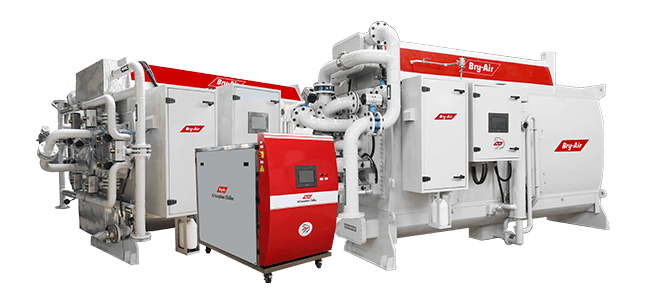
Adsorption chillers are thermally driven cooling systems that generate chilled water through an adsorption process involving refrigerants and specialized adsorbent materials.
Unlike traditional vapor compression chillers that depend heavily on electrically powered compressors, adsorption chillers primarily use heat energy to drive the cooling cycle. This distinction allows facilities to reduce electricity consumption while making productive use of available thermal energy.
The technology is particularly attractive for industries that generate excess heat through manufacturing processes, power generation systems, or renewable energy installations.
How the Technology Works
The adsorption process involves a refrigerant being adsorbed and released by a solid adsorbent material during different stages of the cooling cycle.
Heat supplied to the system triggers regeneration of the adsorbent material. As the cycle continues, cooling is produced through controlled evaporation and condensation processes.
Because thermal energy performs most of the work, electrical demand remains relatively low compared to conventional cooling technologies.
Key Components of the System
Several important components contribute to adsorption chiller operation:
- Adsorbent beds
- Heat exchangers
- Condenser
- Evaporator
- Control systems
- Refrigerant circuit
Together, these components enable the continuous production of chilled water for cooling applications.
Why Are Energy Costs a Major Concern for Industries?
Energy expenses often represent a significant portion of operational budgets across various industries.
Facilities that require year round cooling face ongoing challenges related to electricity consumption, peak demand charges, and sustainability requirements. Traditional cooling systems can contribute substantially to these costs due to their dependence on electrically powered compressors.
Organizations are therefore seeking technologies that improve efficiency while reducing overall energy consumption.
Rising Utility Expenses
Electricity prices continue to influence operating costs in many regions.
Cooling systems that consume large amounts of power can significantly impact financial performance, particularly in facilities with extensive cooling requirements.
Sustainability Objectives
Many organizations have established environmental targets focused on reducing energy use and lowering carbon emissions.
Implementing more efficient cooling technologies supports these objectives while improving operational performance.
How Do Adsorption Chillers Help Reduce Energy Costs?
One of the primary advantages of adsorption cooling technology is its ability to utilize alternative energy sources that may already be available within a facility.
By reducing dependence on electricity, organizations can achieve meaningful cost savings over time.
Utilizing Waste Heat
Many industrial operations generate waste heat as a byproduct of production processes.
Instead of releasing this thermal energy into the environment, adsorption chillers can convert it into useful cooling capacity. This approach improves overall energy utilization and reduces the need for additional electrical power.
Lower Electricity Consumption
Traditional chillers rely on compressors that require substantial electrical energy.
Adsorption chillers operate differently by using thermal energy to drive the cooling cycle. As a result, electricity demand is significantly reduced, helping facilities lower utility expenses.
Improved Energy Utilization
Energy that would otherwise be wasted becomes a valuable resource when integrated into an adsorption cooling system.
This improved utilization contributes to higher overall facility efficiency and better resource management.
What Industries Benefit Most from Adsorption Chillers?
The flexibility of adsorption cooling technology makes it suitable for a wide range of applications.
Facilities with access to waste heat or renewable thermal energy often achieve the greatest benefits.
Manufacturing Facilities
Manufacturing operations frequently produce excess heat that can be recovered and used for cooling purposes.
Adsorption chillers help transform this energy into a productive resource, improving overall plant efficiency.
Power Generation Plants
Power generation facilities often have access to large quantities of thermal energy.
Adsorption cooling systems can utilize this heat to support cooling operations while reducing electricity consumption.
Data Centers
Data centers require reliable cooling to maintain safe operating temperatures for critical equipment.
Adsorption technology can complement existing cooling infrastructure and contribute to improved energy efficiency.
Commercial Buildings
Large commercial complexes, hospitals, universities, and institutional facilities increasingly adopt adsorption cooling as part of their sustainability initiatives.
What Factors Influence Cost Savings?
The level of savings achieved through adsorption cooling depends on several operational factors.
Understanding these variables helps organizations evaluate potential return on investment.
Availability of Heat Sources
The presence of accessible waste heat is one of the most important factors affecting system performance.
Facilities with abundant thermal energy resources often achieve greater energy savings.
Cooling Demand Requirements
Facilities with consistent cooling needs may realize more significant long term benefits from adsorption technology.
Stable demand allows for efficient utilization of available thermal energy.
System Integration
Proper integration with existing infrastructure helps maximize efficiency and overall system performance.
Careful planning ensures that thermal resources are used effectively throughout facility operations.
Why Is Selecting the Right Manufacturer Important?
The performance and reliability of an adsorption cooling system depend heavily on design quality, engineering expertise, and technological innovation.
Choosing experienced Adsorption Chiller Manufacturers can help organizations achieve optimal system performance and long term operational benefits.
Manufacturers with specialized knowledge of thermal energy management can provide solutions tailored to specific industry requirements.
Engineering Expertise
Advanced system design contributes directly to cooling efficiency and operational reliability.
Manufacturers with extensive experience are better positioned to develop solutions that maximize energy utilization.
Long Term Support
Reliable technical support, maintenance guidance, and system optimization services help ensure continued performance throughout the equipment lifecycle.
Strong manufacturer support contributes to successful long term operation.
What Are the Environmental Benefits of Adsorption Chillers?
In addition to reducing energy costs, adsorption chillers offer several environmental advantages.
Organizations increasingly value technologies that support sustainability goals while maintaining operational efficiency.
Reduced Carbon Emissions
Lower electricity consumption often translates into reduced indirect carbon emissions.
Facilities that utilize renewable or recovered heat sources can further improve environmental performance.
Better Resource Efficiency
Adsorption chillers make productive use of thermal energy that might otherwise go unused.
This approach supports more efficient resource management and aligns with modern sustainability strategies.
Support for Green Building Initiatives
Many organizations pursue environmental certifications and energy efficiency programs.
Adsorption cooling systems can contribute to these efforts by improving overall building performance.
What Does the Future Hold for Adsorption Cooling Technology?
As industries continue to focus on energy efficiency and environmental responsibility, adsorption cooling technology is expected to play an increasingly important role.
Advancements in materials, thermal management systems, and engineering design are helping improve system performance and expand application opportunities.
Growing interest in renewable energy integration and waste heat recovery further strengthens the long term outlook for adsorption chillers.
Organizations seeking innovative cooling solutions are likely to continue exploring adsorption technology as part of comprehensive energy management strategies.
Conclusion
Adsorption chillers offer a practical and energy efficient alternative to conventional cooling systems. By utilizing waste heat and other thermal energy sources, these systems help organizations reduce electricity consumption, improve overall energy efficiency, and lower operating costs.
Their ability to transform unused thermal energy into valuable cooling capacity makes them particularly attractive for industries seeking sustainable and cost effective cooling solutions. As energy management continues to be a critical business priority, adsorption cooling technology is expected to become an increasingly valuable component of modern industrial infrastructure.
For organizations looking to implement advanced thermal energy solutions and efficient cooling technologies, Bry-Air provides innovative systems designed to support long term energy savings and sustainable operational performance.
