People use these two terms like they’re interchangeable, and honestly, most of the time nobody corrects them because the confusion rarely causes a problem until it does. Then a facility manager hires the wrong kind of team for a machinery move and ends up with delays, extra costs, or damaged equipment. Heavy equipment movers and rigging companies do overlapping work, but they’re not the same thing, and knowing where one ends and the other begins can save a project from a lot of unnecessary friction.
What Rigging Actually Means
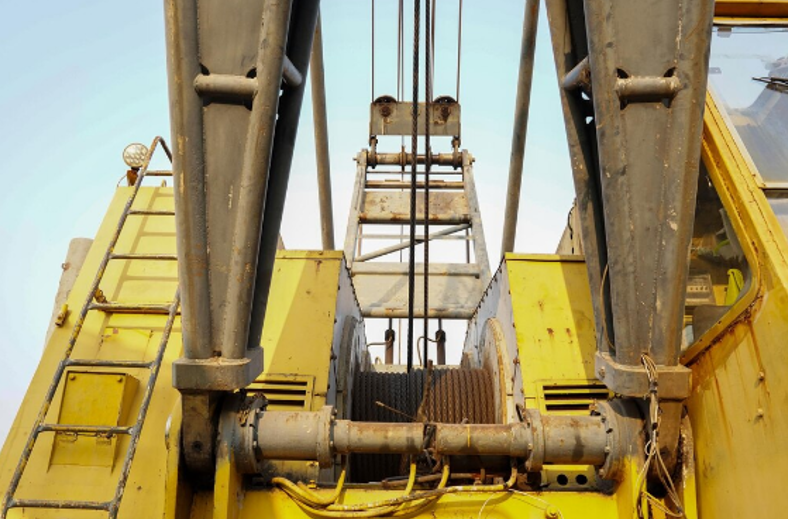
Rigging is a specific skill set focused on lifting, securing, and positioning heavy loads using cranes, hoists, slings, and specialized hardware. Riggers are the people you want calculating load angles, choosing the right sling configuration, and making sure a multi-ton machine doesn’t shift or tip while it’s suspended in the air.
This is precision work with very little room for error. A rigger has to understand the center of gravity of the object being lifted, the working load limits of every piece of equipment involved, and how forces change as an object rotates or moves through different angles during a lift. Get this wrong and you’re not just risking damage to the equipment, you’re risking serious injury to anyone nearby.
Rigging companies typically specialize in the lift itself rather than the entire relocation process. They might be brought in for a single afternoon to set a piece of machinery onto a foundation, remove a rooftop unit, or reposition equipment within a facility. Their scope is often narrow and highly technical.
What Heavy Equipment Movers Actually Handle
Heavy equipment movers operate on a wider scale. Their job usually includes planning the entire relocation, not just the lift portion. That means coordinating transportation, securing permits for oversized loads on public roads, disconnecting and reconnecting utilities, and managing the logistics of getting a machine from point A to point B without anything going wrong along the way.
This distinction matters a lot for facility relocations or plant transitions, where equipment isn’t just being lifted a few feet and set back down. It’s being disconnected, transported across a city or even between states, and reinstalled in a completely different building. That kind of project needs route planning, weight distribution calculations for transport trailers, and often coordination with local authorities depending on how large the load is.
Heavy equipment movers frequently subcontract or directly employ rigging specialists as part of a larger relocation team, since lifting and positioning are still part of the job. But the scope goes well beyond a single lift. It includes disassembly when a machine is too large to move whole, careful documentation of connections and settings before disconnection, and reassembly once the equipment reaches its new location.
Why This Distinction Actually Matters
If you hire a rigging company expecting them to handle transportation logistics, permits, and reinstallation, you’re going to run into gaps pretty quickly. Rigging companies are excellent at what they specialize in, but coordinating a full relocation isn’t always part of their service.
On the flip side, if your project genuinely just needs a single lift, hiring a full relocation team for something that simple adds unnecessary cost and complexity. Matching the scope of the work to the right kind of provider makes a real difference in both budget and how smoothly the project actually goes.
This is where working with a broader facility management company tends to simplify things, particularly for businesses managing larger or recurring equipment moves. Instead of coordinating separate vendors for rigging, transportation, and reinstallation, a single team that handles the full scope keeps communication centralized and reduces the chance of something falling through the cracks between contractors.
What a Well-Run Relocation Actually Looks Like
A relocation project that goes smoothly usually starts with a detailed site assessment at both the origin and destination. This means checking floor loading capacity, doorway and hallway clearances, ceiling heights, and whether the new location has the structural support and utility connections the equipment needs.
Skipping this step is one of the most common causes of relocation problems. A machine that fits through the original facility’s doors doesn’t automatically fit through the new building’s access points, and finding that out on moving day is a costly surprise. Experienced movers walk both sites in advance and plan the exact path equipment will travel, including where it might need to be disassembled to clear tight spaces.
Documentation matters more than people expect too. Before disconnecting anything, a good team records exact settings, wiring configurations, and calibration details so reassembly doesn’t turn into guesswork. This is especially important for manufacturing equipment where even small calibration shifts can affect production quality once the machine is back online.
Timing coordination between disconnection, transport, and reinstallation also needs attention. Equipment sitting disconnected for longer than necessary increases risk of environmental damage or component issues, so a tight, well-sequenced schedule protects the equipment as much as it protects the project timeline.
Insurance and liability coverage deserve attention too, and this is another area where people assume rigging companies and moving companies carry the same protections. They often don’t. A rigging outfit’s coverage might be built around lifting operations specifically, while a full relocation involves transport liability, cargo insurance, and coverage for the reinstallation phase as well. Asking directly what’s covered at each stage of the project avoids an unpleasant surprise if something does go wrong along the way.
Weather can also affect a relocation more than people expect, particularly for outdoor lifts or transport across longer distances. Wind speed limits for crane operations are strict for good reason, and a team with real field experience builds contingency time into the schedule rather than treating weather as an afterthought.
See also: The Role of Storytelling in Business Branding
When You Actually Need Both
Most large-scale industrial relocations need rigging expertise and broader moving logistics working together, not one or the other. A plant shutdown, a distribution center transition, or a manufacturing facility move almost always involves both precise lifting work and the wider coordination of transport, permitting, and reinstallation.
The mistake some businesses make is treating this as two separate projects handled by two separate vendors with no real communication between them. That’s how miscommunication happens, where a rigging team shows up expecting equipment prepared a certain way, and the transportation crew has a completely different understanding of the schedule.
A team that manages both sides under one project plan avoids this problem entirely. Everyone involved works from the same schedule, the same site assessment, and the same understanding of what the equipment actually needs at each stage of the move.
If you’re planning a relocation and aren’t sure whether you need a rigging specialist, a full moving team, or both, it helps to walk through the specifics of your equipment and site before locking anything in. Let’s Talk through what your project actually requires, because getting this planning right at the start avoids a lot of costly adjustments later.
Getting the Right Team for the Job
Understanding the difference between rigging and full-service equipment moving isn’t just a technical distinction, it directly affects how well your project goes. Rigging companies bring precision to the lift itself, while heavy equipment movers manage the broader logistics of getting machinery from one facility to another safely and on schedule.
MTLI has coordinated equipment relocations, plant transitions, and rigging work across a wide range of industrial facilities, and the projects that go smoothly are almost always the ones where planning happened before equipment was ever disconnected. If you’re facing an upcoming relocation and want a clearer picture of what your project actually needs, contact us today and we can walk through the details together.
