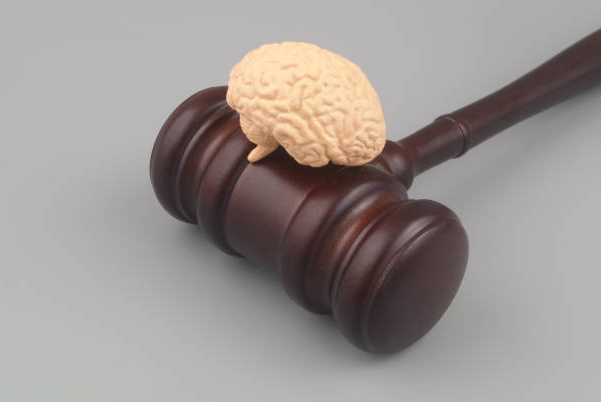
A traumatic brain injury is one of the most serious injuries a person can suffer after an accident. Unlike many physical injuries that heal with time, brain injuries often create long-term challenges that affect cognitive abilities, emotional well-being, physical health, and overall quality of life. In some cases, symptoms appear immediately after an accident, while in others, they may develop gradually over days or weeks. Because traumatic brain injuries can have lasting consequences, understanding both the medical and legal aspects of these injuries is critical for victims and their families.
When a traumatic brain injury results from another party’s negligence, victims may have the right to pursue compensation for the significant losses they experience. Medical treatment, rehabilitation, lost income, and future care needs can create substantial financial burdens. Seeking guidance from an experienced brain injury lawyer early in the process can help protect important evidence and ensure that all available legal options are properly evaluated. Understanding how these cases are handled can make a meaningful difference when pursuing financial recovery after a serious accident.
What Is a Traumatic Brain Injury?
A traumatic brain injury, often referred to as a TBI, occurs when an external force disrupts normal brain function. These injuries commonly result from motor vehicle accidents, truck collisions, motorcycle crashes, falls, workplace incidents, sports-related impacts, and other traumatic events. The severity of a brain injury can range from a mild concussion to catastrophic brain damage that permanently affects an individual’s ability to function independently.
Brain injuries are particularly complex because symptoms vary significantly from one person to another. Some individuals experience headaches, dizziness, memory problems, and concentration difficulties, while others may suffer from impaired speech, personality changes, emotional instability, or reduced physical coordination. Even injuries classified as mild can produce long-lasting symptoms that interfere with daily activities, employment, and personal relationships.
Medical professionals often rely on neurological examinations, imaging studies, cognitive assessments, and ongoing observation to diagnose and evaluate the extent of a traumatic brain injury. Early diagnosis and treatment are essential because prompt medical intervention may improve recovery outcomes and reduce the risk of long-term complications.
See also: Major Turbine Inspection Gas Turbine Best Practices for Improved Performance
Why Are Brain Injuries Often Difficult to Diagnose?
One of the challenges associated with traumatic brain injuries is that symptoms are not always immediately obvious. Unlike broken bones or visible wounds, many brain injuries involve internal damage that cannot be seen without specialized medical evaluation.
Delayed Symptoms
Many victims initially believe they are unharmed because symptoms may not appear right away. Headaches, memory loss, confusion, mood changes, and difficulty concentrating can develop gradually after an accident. Delayed symptoms often make it difficult for victims to recognize the seriousness of their condition without medical evaluation.
Invisible Nature of the Injury
Brain injuries are often referred to as invisible injuries because the damage may not be externally visible. Despite the absence of obvious physical signs, victims may experience significant impairments that affect their ability to work, communicate, and perform routine activities.
Complexity of Brain Function
The brain controls nearly every function within the body. Depending on the area affected, a traumatic brain injury can influence cognition, speech, movement, emotional regulation, memory, and decision-making abilities. This complexity often requires extensive medical testing and long-term monitoring to fully understand the injury’s impact.
What Long-Term Effects Can a Traumatic Brain Injury Cause?
The consequences of a traumatic brain injury can extend far beyond the initial accident. While some individuals recover fully, others experience permanent impairments that require ongoing medical care and support.
Cognitive Difficulties
Cognitive impairments are among the most common consequences of brain injuries. Victims may struggle with memory retention, concentration, problem-solving, decision-making, and information processing. These difficulties can significantly affect educational pursuits, professional responsibilities, and daily life.
Emotional and Behavioral Changes
Brain injuries frequently affect emotional regulation and mental health. Victims may experience anxiety, depression, irritability, mood swings, or personality changes that impact relationships and overall well-being. These challenges often require psychological support and long-term treatment.
Physical Limitations
Depending on the severity of the injury, victims may experience chronic headaches, dizziness, balance problems, fatigue, vision disturbances, and motor function impairments. Some individuals require extensive rehabilitation to regain physical abilities and independence.
How Is Liability Established in a Brain Injury Claim?
To pursue compensation successfully, victims must demonstrate that another party’s negligence caused the injury. Establishing liability requires a thorough investigation and substantial supporting evidence.
Evidence may include accident reports, witness statements, surveillance footage, medical records, expert testimony, and accident reconstruction analysis. Attorneys work closely with medical professionals and specialists to establish a direct connection between the accident and the traumatic brain injury.
Because brain injuries often involve long-term consequences, proving the full extent of damages requires detailed documentation. Medical experts may provide evaluations regarding future treatment needs, permanent impairments, and the anticipated impact on the victim’s quality of life.
What Compensation May Be Available for Brain Injury Victims?
Traumatic brain injuries often result in significant financial and personal losses. Personal injury claims seek to compensate victims for both economic and non-economic damages associated with the injury.
Medical Expenses
Medical damages may include emergency treatment, hospital stays, surgeries, neurological evaluations, rehabilitation programs, physical therapy, occupational therapy, medications, and future medical care. Brain injury treatment often continues for years, making future healthcare costs an important consideration.
Lost Income and Future Earnings
Many brain injury victims are unable to return to work immediately following an accident. In severe cases, permanent impairments may limit future earning capacity. Compensation may account for both current lost wages and anticipated future income losses.
Pain and Suffering
Brain injuries frequently affect nearly every aspect of a person’s life. Compensation for pain and suffering may address physical discomfort, emotional distress, mental anguish, and reduced enjoyment of life resulting from the injury.
An experienced brain injury attorney can help evaluate the full value of a claim by considering both immediate and long-term damages that may not be immediately apparent following an accident.
Why Are Brain Injury Cases More Complex Than Other Personal Injury Claims?
Brain injury claims often involve greater complexity because the long-term effects may not be fully understood for months or even years after the accident. Unlike injuries with predictable recovery timelines, traumatic brain injuries can produce evolving symptoms that require ongoing evaluation.
Insurance companies frequently challenge the severity of brain injuries, particularly when diagnostic imaging does not clearly reveal the extent of cognitive impairment. As a result, expert medical testimony often plays a crucial role in demonstrating the true impact of the injury.
Additionally, calculating future damages requires careful analysis of medical needs, rehabilitation expenses, employment limitations, and quality-of-life considerations. These factors make brain injury claims significantly more complicated than many other personal injury cases.
How Can Legal Representation Help Protect Your Rights?
Experienced legal representation can provide valuable support throughout the claims process. Attorneys investigate accidents, gather evidence, consult medical experts, negotiate with insurance companies, and prepare cases for litigation when necessary.
A knowledgeable legal team understands the challenges associated with traumatic brain injury claims and can work to ensure that all damages are properly documented and pursued. This includes obtaining expert evaluations, calculating future losses, and advocating for fair compensation that reflects the full impact of the injury.
Having legal representation also allows victims and their families to focus on medical treatment and recovery while their attorney manages the legal complexities of the case.
Conclusion
Traumatic brain injuries can create lifelong challenges that affect physical health, cognitive function, emotional well-being, and financial stability. Because these injuries often involve extensive medical treatment and long-term consequences, it is essential for victims to understand their legal rights and options for pursuing compensation. Early medical evaluation, thorough documentation, and experienced legal guidance can play an important role in protecting a victim’s future.
If you or a loved one has suffered a traumatic brain injury due to someone else’s negligence,5280 Injury Law provides experienced legal representation focused on helping injury victims pursue the compensation they deserve. Their commitment to protecting clients and navigating complex personal injury claims can provide valuable support during a difficult recovery journey.
