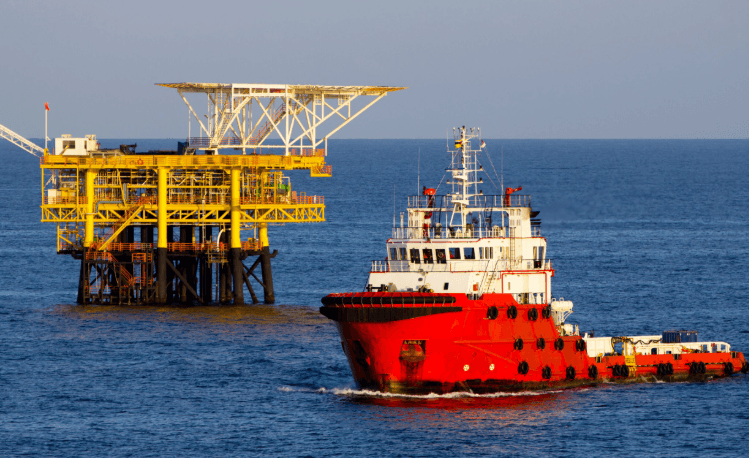
An offshore platform can only work continuously if fuel, water, chemicals, tools, food, equipment, and replacement parts reach it when needed. Much of that movement depends on supply vessels that operate between shore bases and offshore installations. Their job may look straightforward from a distance, but the vessel must combine cargo capacity, maneuverability, weather capability, and careful deck organization in one compact platform. In this context, psv vessel provides a useful reference point for understanding the vessel type and its engineering priorities.
The PSV Is a Floating Logistics Link
A psv vessel is designed around the practical problem of moving many kinds of supplies to offshore assets. Some cargo travels on the open deck in containers, baskets, pipes, or project units. Other products are carried in dedicated tanks below deck, such as fuel, fresh water, drilling fluids, brine, or dry bulk depending on the vessel’s role. This mix makes cargo planning more complicated than simply maximizing deck area.
Deck Layout Determines Cargo Efficiency
A large clear deck is valuable because offshore cargo changes from trip to trip. Designers try to minimize obstructions, provide strong securing points, and maintain safe access around loaded units. Deck strength must match expected cargo concentrations, not only total weight. Visibility from the bridge also matters because officers need to monitor cargo operations and vessel position during offshore transfers.
Tank Arrangement Supports Flexible Supply Runs
Below deck, tank location affects stability, trim, piping length, and the ability to segregate different liquids. Pumping systems need enough capacity to transfer products efficiently while maintaining control and preventing contamination. Cleaning, inspection, and maintenance access are also important because tanks and piping may handle demanding fluids over many years.
Dynamic Positioning Changes the Power Problem
Offshore installations often require the vessel to hold position while operating close to fixed structures. Dynamic positioning systems combine position references, control software, thrusters, and propulsion to counter wind, waves, and current. This can create rapidly changing power demand. Designers therefore consider generator arrangement, redundancy, thruster capacity, and how failures are isolated so that a single fault does not cause unacceptable loss of position.
Bridge Visibility Supports Close-Quarters Work
Unlike a ship that spends most of its voyage in open water, a supply vessel may spend critical periods maneuvering close to offshore structures. Bridge arrangement, camera coverage, control stations, and sightlines can make these operations easier to manage. Clear views toward the working deck are especially useful during cargo transfers, while well-organized controls reduce distraction during demanding maneuvers.
Crew Safety Depends on the Details
Open-deck operations expose crews to moving loads, wet surfaces, wind, and vessel motion. Protected walkways, handrails, lighting, drainage, non-slip surfaces, and logical equipment placement can reduce risk. Accommodation also matters because offshore schedules may involve long rotations and irregular hours. Noise and vibration control can improve rest between watches.
A Good PSV Balances Capacity With Control
The value of an offshore supply vessel is not measured only by how much it can carry. It also depends on how safely it can approach an installation, how quickly cargo can be transferred, how flexibly tanks can be used, and how reliably the vessel can operate in poor weather. The best designs treat cargo systems, propulsion, dynamic positioning, crew workflows, and maintenance as connected parts of one logistics platform.
A Final Practical Consideration
Shore-side logistics also influence vessel effectiveness. Standardized cargo units, clear manifests, synchronized tank planning, and accurate loading information reduce delays before departure. The vessel is one part of a larger supply chain, so its design performs best when port processes and offshore receiving procedures are considered alongside marine capability.
Backload Can Be as Important as Outbound Cargo
Supply vessels do not always return empty. Used equipment, waste, damaged components, contaminated fluids, and other backload may have to be carried safely to shore. This can affect segregation, deck planning, documentation, and cleaning requirements. Designers and operators therefore benefit from considering the return leg as part of the logistics cycle rather than treating it as unused capacity. Clear zones and procedures for backload can reduce cross-contamination and keep the deck organized during busy offshore campaigns.
See also: The Role of Storytelling in Business Branding
Weather Windows Influence Logistics Planning
A supply run is valuable only if the vessel can complete the offshore transfer safely. Forecast wind, waves, current, and visibility can influence departure time, loading priorities, and expected station-keeping demand. A vessel with better seakeeping or more capable thrusters may preserve additional operating opportunities, but those capabilities also carry cost and fuel penalties. The most useful design is therefore matched to the weather limits that genuinely affect the charter, not simply to the harshest conditions imaginable.
