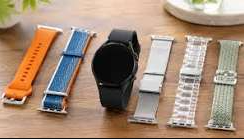
A smartwatch strap lives a harder life than most accessories. It is worn for hours every day, exposed to sweat, rain, sunlight, soap, and the constant friction of sleeves, desks, and training equipment. A strap that looks good on the first day but frays, stretches, or loses its shape within weeks is a poor investment, no matter how little it cost. The people who are happiest with their strap are usually the ones who chose it for how it holds up over time, not only for how it looks in a photo.
Durability is not a single feature. It comes from a combination of material, construction, hardware, and care. Understanding what actually wears out, and why, helps you choose a strap that still feels and looks good months after you first put it on.
What Wears a Strap Out
The most common cause of wear is not a single dramatic event but slow, repeated stress. Every time you bend your wrist, the strap flexes at the same points. Every time you wash your hands, it gets wet and dries again. Sweat leaves salt behind as it dries, and sunlight gradually fades colour and weakens some fibres. Over weeks and months, these small effects add up.
Stitching is often the first thing to show strain. A single row of loose stitching can start to unravel at a corner, and once a thread comes free, the damage spreads quickly. Look closely at the edges of a strap before you buy it. Neat, even stitching that sits slightly inside the edge tends to last longer than stitching that runs right along the very edge, where it is exposed to rubbing.
See also: How Can a Traumatic Brain Injury Affect Your Life and What Legal Options Do You Have?
Materials That Hold Up Well
Different materials age in different ways, and the right choice depends on how you spend your days. Fluoroelastomer and silicone are popular for active use because they resist water and sweat, wipe clean easily, and do not absorb odours in the way fabric can.
Woven fabric and nylon offer a different balance. They feel lighter on the wrist, breathe better, and are comfortable for long wear, including overnight. The trade-off is that fabric absorbs moisture, so it needs to dry properly after a sweaty session or a wash. A tightly woven fabric with sealed edges resists fraying far better than a loose weave with raw edges.
Fit, Comfort and Everyday Habits
A strap that fits well lasts longer, because it is not being pulled and twisted out of shape. If a strap is too tight, the material is under constant tension and the holes or fastener wear faster. If it is too loose, the watch slides around, the strap rubs against the wrist, and the edges wear unevenly. Aim for a fit that is snug enough to keep the watch in place but loose enough to slide one fingertip underneath. That simple test works for most people and most strap styles. When you are comparing options, looking at a selection of durable apple watch bands can help you see which materials and fastenings hold up best.
Small habits make a real difference. Rinsing a strap after a sweaty workout, drying it before putting the watch away, and keeping it out of prolonged direct sunlight all slow down wear.
Water is another everyday factor. A strap that is worn in the shower or the pool should be rinsed with clean water afterwards, since soap and chlorine can dry out some materials over time. Letting the strap dry fully before the next wear keeps it comfortable and helps it keep its shape for longer.
If you want to see the range of tough, long-wearing options available, you can look through the available options and compare materials, colours and fastening styles. Check the size information carefully too, since a strap made for one watch size will not fit another properly, and a poor fit will wear out faster.
Signs It Is Time for a Replacement
Even the best strap will not last forever, and knowing when to replace it is part of looking after your watch. Visible fraying at the edges, stitching that has come loose, a clasp that no longer locks firmly, or a strap that has stretched so much it no longer holds its shape are all clear signs. A strap that has developed a smell that does not go away after washing, or one that leaves marks on the skin because the surface has roughened, should also be replaced.
Replacing a worn strap promptly protects the watch itself, since a dropped watch can be damaged far more expensively than the cost of a new strap.
Frequently Asked Questions
1. How long should a good smartwatch strap last?
There is no single answer, because it depends on the material and how often you wear it. A well-made strap worn daily will often last a year or more, while a strap used mainly for training may wear faster.
2. Which material is best for training and sweaty workouts?
Silicone and fluoroelastomer are usually the easiest to live with for training, because they resist water, wipe clean, and dry quickly. Woven fabric can work too if you let it dry fully between sessions. Leather is best kept for everyday and office wear rather than heavy training, since repeated soaking will damage it.
3. Can I make my current strap last longer?
Yes. Rinse it after sweaty sessions, wash it gently with mild soap, let it air dry away from heat, and avoid over-tightening it.
Conclusion
Choosing a strap that lasts is less about finding a single magic material and more about matching the strap to your life. Think about how you use your watch, how much sweat and water it meets, and whether you need something that cleans easily or something that looks smart at work. Look closely at stitching, edges and hardware before you buy, choose a fit that is snug without being tight, and look after the strap with simple, regular cleaning.
